




Homeschooling Children With Learning Differences: Strategies & Resources

Facebook
Twitter
LinkedIn
Pinterest

Introduction

Homeschooling a child with learning differences can be one of the most empowering decisions a parent makes yet it often comes with uncertainty. Many families turn to homeschooling because traditional classrooms move too quickly, offer limited individualized support, or create sensory overstimulation that leaves their child overwhelmed. The encouraging truth is this: when done intentionally, homeschooling can give your child the space, support, and personalized instruction they truly need to succeed.

This guide will walk you through practical strategies, evidence-informed tools, and supportive resources designed specifically for elementary-aged children with learning differences. You’ll learn how to structure your day, adapt academics, support sensory needs, boost emotional regulation, and build a rhythm that works for your child and for you. Throughout the article, you’ll see references to HomeLearning Hub a trusted platform for parents seeking curriculum guidance, homeschool coaching, and support tailored to neurodiverse learners.

Whether your child has ADHD, dyslexia, dyscalculia, autism, sensory processing differences, or simply learns in unique ways, this guide will help you create a calm, structured, and joyful homeschool environment where your child can thrive.

Table of Contents

This article contains affiliate links. If you purchase something I’ve recommended, I’ll earn a small commission at no extra cost to you. I really appreciate your support and I hope this guide helps you ♡

1. Understanding Your Child’s Learning Profile

Homeschooling becomes far more effective when you clearly understand how your child learns best. Every child has a unique learning profile, and this is especially true for children with ADHD, dyslexia, autism, dyscalculia, sensory processing differences, or other learning challenges. Research shows that understanding a child’s executive functioning strengths and challenges — including attention, working memory, and self-regulation — is critical for designing effective, individualized learning strategies.

Take time to observe:

  • How your child processes new information
  • Their preferred learning style (movement, visuals, hands-on, auditory)
  • Their attention patterns and energy cycles
  • What causes overwhelm
  • What helps them stay calm and engaged

If your child already has a diagnosis, that clarity will help guide your instructional choices. If you don’t have assessments yet but suspect a learning difference, HomeLearning Hub can connect you with licensed educational therapists who specialize in early screening and elementary neurodevelopment.

Understanding your child’s learning profile isn’t about labeling. It’s about clarity and clarity reduces overwhelm for everyone.

2. Creating Predictable Rhythms Without Over-Scheduling

Children with learning differences often thrive when they know what to expect. Instead of rigid schedules, aim for consistent rhythms your child can rely on.

A simple elementary-friendly rhythm may include:

  • Morning connection time
  • Read-aloud
  • Short structured learning block
  • Break / movement time
  • Hands-on activity
  • Snack
  • Second short learning block
  • Outdoor play
  • Quiet time or rest

This gentle flow helps reduce anxiety and supports emotional regulation. Many homeschooling coaches at HomeLearning Hub recommend keeping the first part of the day for high-focus tasks when your child’s brain is freshest.

Remember:
Consistency beats intensity.
Even 20–30 minutes of calm, high-quality learning can have a bigger impact than an hour of frustration.
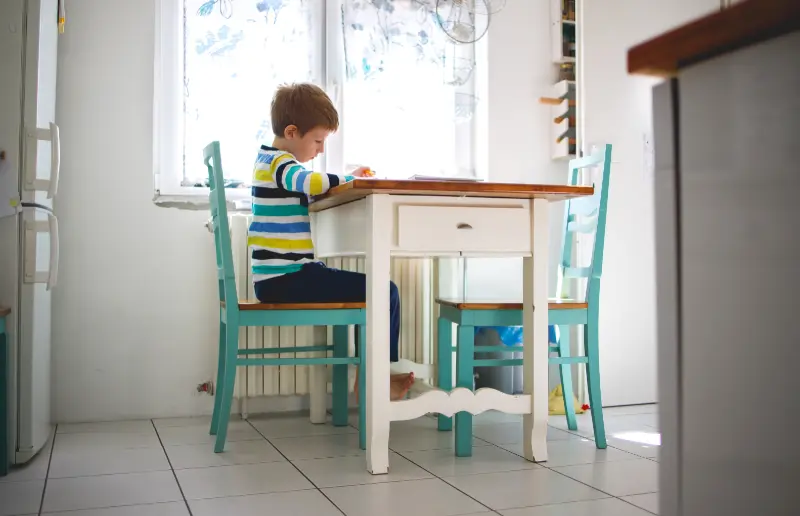
3. Adapting Academic Instruction to Your Child’s Strengths

The beauty of homeschooling is flexibility. Instead of forcing one-size-fits-all worksheets or long written tasks, you can shape instruction around your child’s natural strengths.

A few examples:

  • Children with dyslexia: benefit from structured literacy (Orton-Gillingham, Barton).
  • Children with ADHD: thrive with short lessons, movement breaks, and hands-on learning.
  • Children on the autism spectrum: learn best with visual supports, step-by-step instructions, and predictable routines.
  • Children with dyscalculia: often need visual models, manipulatives, games, and real-world examples.

You don’t have to figure this out alone. HomeLearning Hub’s Curriculum Specialists help parents select programs that match their child’s learning needs while simplifying the parent’s workload.


4. Supporting Executive-Function Challenges

Executive function includes skills like planning, organizing, remembering steps, and managing emotions all areas where many elementary-aged children with learning differences struggle.

To support these skills at home:

  • Break tasks into small steps
  • Use timers, checklists, and visual instructions
  • Give verbal countdowns before transitions
  • Create simple routines that repeat daily
  • Use clear expectations (fewer words, more visuals)

Children do better when expectations are externalized. Simple visual schedules or picture cards can prevent meltdowns and reduce repeated instructions.

If you need help, HomeLearning Hub offers Executive Function coaching for homeschool families.

5. Creating Sensory-Friendly Learning Spaces

A sensory-friendly environment can dramatically improve focus and emotional stability.

Small changes make a big difference:

  • Reduce clutter on the learning table
  • Use natural or soft lighting
  • Provide fidgets or sensory tools
  • Offer flexible seating (floor cushions, wobble seat, yoga ball)
  • Allow movement during learning

Sensory tools aren’t crutches they’re supports that help the brain regulate so learning becomes easier.

Explore Learning-Difference-Friendly Curricula and Sensory Tools on HomeLearning Hub

6. Choosing Curriculum That Works for Learning Differences

Many traditional elementary curricula move too quickly, rely heavily on written output, or include visually cluttered pages that overwhelm neurodiverse learners.

Look for options that:

  • Use multisensory teaching
  • Offer short, simple lessons
  • Include hands-on components
  • Provide visual aids
  • Allow flexible pacing
  • Support mastery rather than speed

HomeLearning Hub offers a curated curriculum library with recommendations for children who have dyslexia, ADHD, autism, and other learning differences saving parents hours of research.

There is no perfect curriculum. The best one is the one that works for your child.

7. Strengthening Reading, Writing & Math Skills

Reading

Children with dyslexia or reading struggles thrive with structured literacy programs that teach phonemic awareness, decoding, and blending explicitly. Supplement with read-alouds, audiobooks, and picture books to keep reading enjoyable.

Writing

Start small. Dictation, oral storytelling, drawing, and using speech-to-text tools help build confidence before handwriting stamina improves.

Math

For dyscalculia, math anxiety, or delayed number sense:

  • Use manipulatives (beads, cubes, coins, blocks)
  • Teach with visuals instead of abstract numbers
  • Use math games to build fluency
  • Move at your child’s pace

HomeLearning Hub specialists can help you choose programs aligned with your child’s specific challenges.

8. Supporting Behavior, Motivation & Emotional Regulation

Children with learning differences often experience big emotions when tasks feel confusing, overwhelming, or overstimulating.

Helpful strategies include:

  • A calm-down corner
  • Emotion charts
  • Movement breaks
  • Praise focused on effort, not accuracy
  • Co-regulation strategies like deep breathing or grounding

Children learn best when they feel emotionally safe. Supporting emotional regulation helps your child stay motivated and open to learning.

9. Working With Specialists & Support Networks

Homeschooling doesn’t mean you have to do everything alone. Many families collaborate with:

  • Educational therapists
  • Speech-language pathologists
  • Occupational therapists
  • Homeschool coaches
  • Parent support groups

HomeLearning Hub connects parents with vetted specialists who understand both neurodiversity and homeschooling giving you professional guidance without feeling overwhelmed.

10. Taking Care of Yourself as the Parent

Your well-being matters more than you realize. Homeschooling a child with learning differences is meaningful, but it requires emotional energy, patience, and flexibility.

Give yourself permission to:

  • Shorten lessons
  • Take rest days
  • Use curriculum that lightens your load
  • Ask for help when needed
  • Keep routines simple

A calmer parent creates a calmer homeschool environment.

Conclusion

Homeschooling children with learning differences isn’t about recreating the classroom at home. It’s about creating an environment where your child can learn in ways that honor how their brain works. With flexible routines, sensory supports, individualized instruction, and expert guidance, your child can thrive academically and emotionally.

You don’t have to do this alone. HomeLearning Hub provides personalized homeschool plans, curriculum support, and access to specialists who understand your child’s needs. With the right tools and mindset, homeschooling becomes not only manageable but deeply transformative.

Need Help Personalizing Your Homeschool Plan?

Work with a specialist at HomeLearning Hub and get a custom plan tailored to your child.

Facebook
Twitter
LinkedIn
Pinterest

Leave a Reply

Your email address will not be published. Required fields are marked *

ABOUT AUTHOR
Immaculate Newsted

Author, storyteller, and creator of this space — sharing tools, guidance, and inspiration to help women grow with clarity and confidence.

ADVERTISEMENT

Get fresh updates
about my life in your inbox