
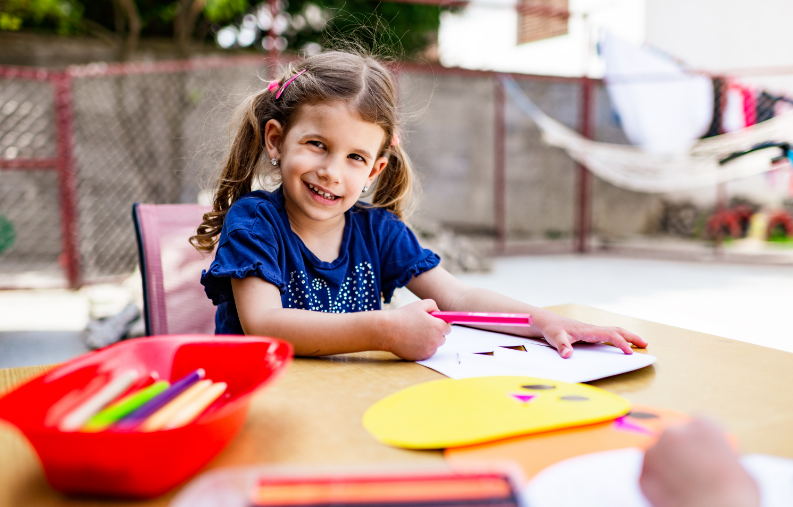
Outdoor Homeschooling: Turning Nature Into Your Classroom.

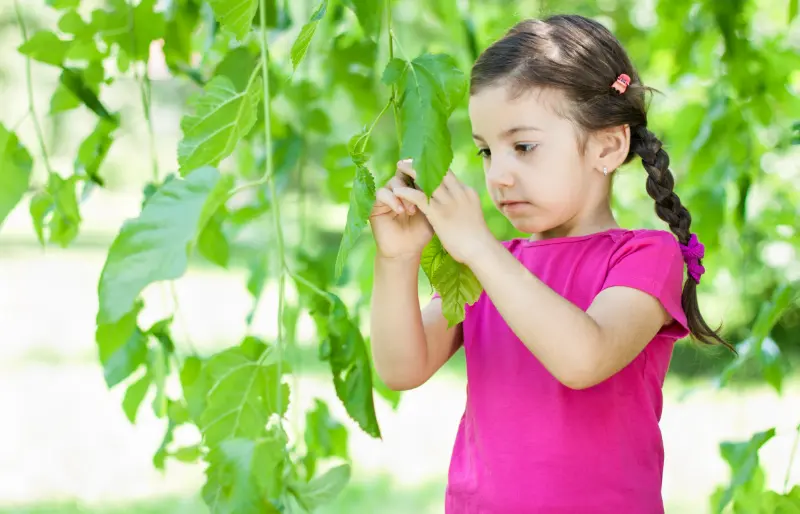
Child studying a leaf with sunlight filtering through trees: “Outdoor homeschool learning in nature.”
Facebook
Twitter
LinkedIn
Pinterest

Introduction

 Some of the best homeschool days don’t happen at the table: they happen under the sky. Children learn differently outdoors: they listen more deeply, move more freely, and think more creatively. You don’t need a forest, a farm, or a Pinterest-worthy nature setup to make outdoor homeschooling meaningful. A backyard, a balcony, a local park, or a simple patch of sunlight can become a learning space if you know how to use it intentionally.

This guide shows you how to create an enriching, low-prep outdoor homeschool experience that feels like childhood: joyful, sensory-rich, and wonderfully simple. No worksheets, no stress, just natural learning woven into everyday life.

You’ll also find a few gentle links to related articles, such as Homeschool Morning Routines That Actually Work, which complement nature-based rhythms beautifully.

Table of Contents

This article contains affiliate links. If you purchase something I’ve recommended, I’ll earn a small commission at no extra cost to you. I really appreciate your support and I hope this guide helps you ♡

Why Outdoor Learning Works So Well

Outdoor homeschooling taps into something powerful: movement, curiosity, and sensory input. These three things fuel attention more effectively than any worksheet ever could. Research shows that nature-based outdoor learning supports children’s emotional regulation, focus, and academic engagement while also improving overall wellbeing.

Children outdoors tend to:

  • regulate their emotions more easily
  • focus longer afterward
  • stay engaged without constant redirection
  • develop natural observational skills
  • learn through hands-on discovery rather than forced memorization

Nature naturally slows down time, giving you space to breathe as a parent and giving your child space to explore.

How to Build an Outdoor Learning Rhythm

The goal isn’t to recreate indoor school outside. Outdoor learning works best when it flows like a story instead of a schedule. Think segments instead of “periods,” each one serving a purpose without being rigid.

Here’s a simple rhythm families love:

Start with a grounding moment
 This can be a poem, a short gratitude ritual, a stretch, or a minute of silence to “listen for the morning sounds.”

Move into exploration
 Let your child wander, collect, jump, climb, or observe. The key is curiosity-led movement.

Add one intentional learning invitation
 This is a soft setup that sparks learning without forcing it: a basket of magnifying glasses, chalk for rock rubbings, or jars for water play.

Close with reflection
 A drawing, a story retell, or a “What did you notice today?” conversation.

No pressure. Just rhythm.

If you loved this idea, you may enjoy the outdoor section inside How to Include Siblings in Homeschool Days: it pairs beautifully with nature-based learning.

Want help planning a nature-rich weekly homeschool rhythm?

HomeLearning Hub offers personalized schedule support and curriculum guidance for outdoor learning.
Book a Custom Outdoor Learning Plan.

Outdoor Homeschooling activities

Simple Outdoor Learning Invitations (That Don’t Feel Like “School”)

Nature Scavenger Hunts (with a twist)

Instead of “find a leaf,” try this:

  • Find something rough
  • Something smaller than your thumb
  • Something that makes a sound
  • Something a bug would love

This sparks creativity and problem-solving, not just matching pictures.
Pick a tree, a rock, or a cloud and turn it into a character. Ask:

  • “What’s its job in this forest?”
  • “What adventure is it starting today?”
  • “Who is its best friend?”

This builds narrative skills without writing anything down.

Storytelling Walks

Sky School

Lie on a blanket and study clouds. Ask open-ended questions:

  • “What shapes do you see?”
  • “What do you think clouds feel like inside?”
  • “Where do they go at night?”

Observation + imagination = science + stories.

Math in Motion

Math outdoors becomes embodied and fun:

  • Count bird calls
  • Estimate the height of a tree using shadows
  • Make patterns with stones
  • Compare leaf sizes or stick lengths

No workbook required.

Backyard STEM Challenges

  • Build the tallest stick tower
  • Create a water channel using dirt + rocks
  • Test leaf boats in a puddle or bucket
  • Design a bug habitat and observe who visits

STEM happens naturally when kids experiment.

Homeschool Morning Routines for outdoor learning

Nature Art for Every Age

Shadow Tracing

Use chalk to trace shadows at different times of day. Kids learn about Earth’s rotation without realizing it.

Nature Mandalas

Arrange leaves, petals, rocks, and sticks in symmetrical patterns. This blends math, art, and mindfulness.

Wild Palette Painting

Let your child mix colors from crushed flowers, mud, berries (non-toxic), or chalk dust. Pure creativity.

This gentle, creative approach works beautifully with the slow-living style inside Minimalist Homeschooling, one of your upcoming articles.

Outdoor Reading & Writing (Sneakily Educational)

Outdoor literacy is calmer, richer, and often more effective than sitting at a table.

Try these:

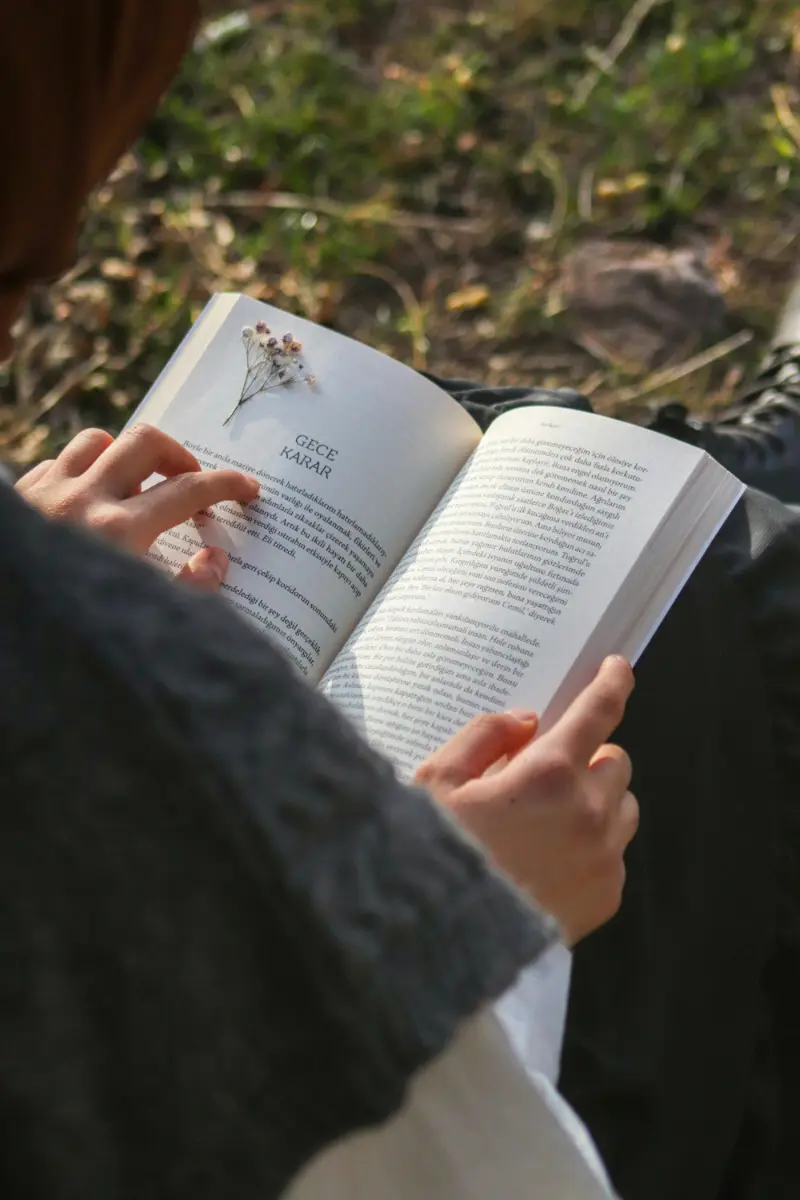
Reading Nests
 Make a cozy spot with a blanket, a pillow, and a snack. Children often read longer outdoors because it feels like play.

Story Stones
 Collect or paint stones with symbols or images. Your child arranges them and tells a story.

Nature Journaling (zero pressure)
 A single drawing, a color swatch, or a one-sentence observation is enough. Journaling should feel like art, not schoolwork.

Outdoor Homeschooling Reading, journaling

Outdoor Learning When You Don’t Have a Yard

You don’t need land. You just need air.

Try:

  • a balcony garden
  • sidewalk chalk geometry
  • rock collections by color
  • “cloud class” from a window
  • nature walks on your street
  • leaf rubbings pressed against tree trunks in public spaces

Libraries, neighborhood paths, public gardens, and parks make fantastic classrooms.

Blending Outdoor Learning With Your Homeschool Day

Here are natural ways to weave it in:

  • Morning walks before lessons
  • Snack time outside
  • Read-alouds under a tree
  • Afternoon “wild hour”
  • Weekend nature missions (bird watching, mini-hikes, collecting “mystery finds”)

If you read Homeschool Morning Routines That Actually Work, you’ll notice how easily outdoor time fits into slow, grounded morning rhythms.

Safety + Comfort Checklist (Short + Practical)

Keep this small kit ready by your door:

  • water bottle
  • sunscreen
  • light snacks
  • small first-aid items
  • wipes
  • pencils + nature journal
  • magnifying glass
  • bug spray (optional)

Don’t overpack. Simple is sustainable.

Conclusion

Outdoor homeschooling isn’t about doing more: it’s about doing less but better. When you let nature become your child’s classroom, learning expands without effort. Children observe more deeply, think more creatively, and connect more strongly with the world around them. And you, as the parent, get a calmer, richer homeschooling experience too.

Even a short outdoor session each day can transform your rhythm. Start small: a 10-minute morning walk, a single storytelling prompt, or a five-minute sky study. The rest will grow naturally.

Facebook
Twitter
LinkedIn
Pinterest

Leave a Reply

Your email address will not be published. Required fields are marked *

ABOUT AUTHOR
Immaculate Newsted

Author, storyteller, and creator of this space — sharing tools, guidance, and inspiration to help women grow with clarity and confidence.

ADVERTISEMENT

Get fresh updates
about my life in your inbox