


Homeschool Burnout: What It Really Looks Like
Burnout isn’t just being tired. Most homeschool moms are tired. Burnout is different—it’s when the emotional, mental, and physical load of teaching, parenting, running a home, and carrying your children’s needs begins to overshadow your ability to feel present.
Burnout shows up in your body, your mood, your thoughts, and your home atmosphere. Research shows that parental burnout can manifest physically, emotionally, and mentally, but with awareness and supportive strategies, it is reversible. It pulls you inward and makes simple things feel heavy. One of the biggest indicators is a loss of joy in the things that normally make homeschooling beautiful.
But burnout is reversible. With awareness and gentle adjustments, your home can become peaceful and grounded again.
Subtle Signs You Might Be Burning Out
You feel overwhelmed before the day even begins
Opening your eyes should not feel like stepping into a marathon. When you feel dread, heaviness, or immediate stress before breakfast, your brain is signaling that it needs relief.
Many moms turn this into guilt: Why can’t I handle this?
But the truth is, no one thrives without rest, rhythm, and support.
This is a perfect moment to revisit the gentle morning rhythms in Homeschool Morning Routines That Actually Work. A soft start often changes the tone of the entire day.
Your patience runs out faster than usual
Every homeschool mom has frustrating moments. Burnout is different, you snap faster, irritation rises easily, and even small interruptions feel explosive inside your body. This isn’t about “being a bad mom.” It’s about emotional exhaustion.
Patience isn’t a virtue. It’s a resource. And resources need replenishing.

Decision fatigue becomes overwhelming
What curriculum? What schedule? What to cook? When to clean? How to divide lessons?
Homeschool moms make hundreds of micro-decisions daily. Burnout makes every decision feel like too much because your cognitive bandwidth is depleted.
This is where minimalist approaches (explored in Minimalist Homeschooling) become incredibly healing. Less input means calmer output.
You lose excitement about planning or teaching
You don’t need to be cheerful every day. But if lessons start feeling like chores, or you find yourself avoiding planning entirely, it’s a sign that your mental and creative energy is overloaded.
Your joy matters because your children sense your emotional atmosphere. When you feel depleted, they feel unanchored too.
You fantasize about quitting not because you want to, but because you feel trapped
This is one of the clearest markers. You don’t hate homeschooling… but you’re desperate for relief. Burnout convinces you that the only way to escape is to walk away entirely.
You don’t need to quit.
You need space, support, and structure that works with your life, not against it
Your home feels more chaotic
Burnout often appears physically before it appears emotionally. Laundry piles faster. Dishes stack higher. The noise feels louder. Everything feels “too much.” You’re not imagining it—your nervous system is overstimulated.
When you remove a bit of pressure, the atmosphere shifts almost instantly.

You forget to care for yourself
Meals become rushed, rest takes a back seat, hydration becomes an afterthought, and emotional needs get pushed aside. Burnout makes you feel like the least important person in your own home.
But homeschooling only works long-term when the parent’s needs are included, not ignored.
You lose your sense of direction
When burnout hits, even experienced homeschoolers say, “I don’t know what I’m doing anymore.”
This isn’t incompetence. It’s cognitive overload paired with emotional fatigue.
Supportive tools, simplification, and small shifts can ground you again.
Book a Homeschool Rhythm Consultation
If you want help creating a calmer, more sustainable homeschool rhythm, HomeLearning Hub offers personalized routine support and gentle planning help.
How to Take a Break Without Quitting Homeschooling
Burnout doesn’t mean you need to pause learning it means you need to pause pressure.
Here are gentle, sustainable resets that renew your energy without disrupting your child’s progress.
Shift to “light school” for a week or two
This is a concept many families use during high-stress seasons: short lessons, low prep, less structure.
Focus on: read-alouds, outdoor time,math basics, creative play, nature exploration. Light school resets your child’s energy too. You’re not falling behind; you’re rebuilding your foundation.
Move learning outdoors
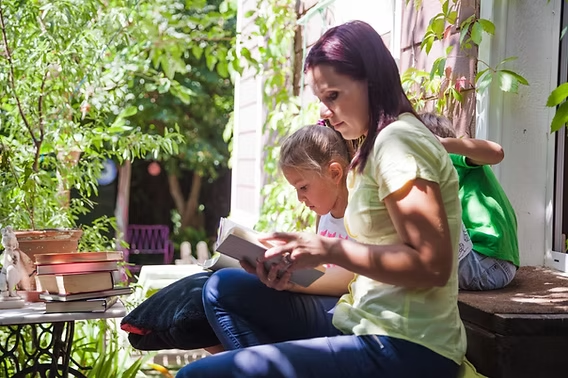
Fresh air resets the nervous system faster than anything. Outdoor homeschooling offers space, silence, curiosity, and movement elements that naturally reduce stress.
If you haven’t yet, explore Outdoor Homeschooling: Turning Nature Into Your Classroom. It’s a perfect companion for burnout recovery.
Choose one subject per day instead of many
Homeschooling doesn’t have to mirror a school schedule. When you’re burnt out, simplifying your daily focus dramatically reduces decision fatigue.
One day for math.
One day for reading.
One day for science.
One day for art or nature.
One day for free exploration.
Learning deepens when it’s unhurried.
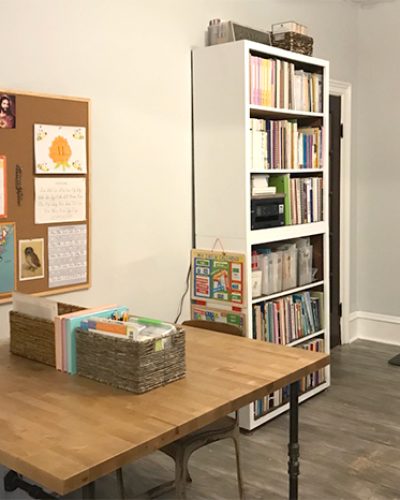
Use independent work or partner work strategically
Older children can often take the lead on certain tasks, freeing you to breathe, regroup, or focus on other siblings. Independence isn’t neglect its skill building.
Supportive tools like checklists or quiet-time baskets help children stay grounded without constant supervision.
Create a “mom recharge hour”
Homeschool doesn’t have to consume every moment of your day. A daily recharge hour—during nap time, quiet time, or independent activity rebuilds mental space.
You can use it for:
- silence
- journaling
- reading
- stretching
- sitting outside
- doing absolutely nothing
You deserve stillness.
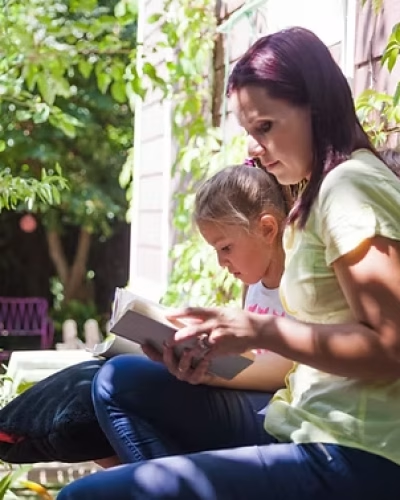
Replace multitasking with presence
Burnout often comes from juggling too many mental tabs. Simplify your moments. Presence is more productive than multitasking.
When you teach, teach.
When you rest, rest.
When you plan, plan.
Your nervous system responds to clarity.
Let something go
Simplify meals. Pause extracurriculars. Remove complicated curriculum. You don’t have to do everything at once. Each thing you set down creates breathing room.
Minimalism in homeschooling isn’t about less learning, it’s about less pressure.

How to Prevent Burnout From Returning
Burnout recovery is powerful, but prevention is sustainable. The goal is not to push through until your tank is empty again. It’s to build a rhythm that protects you.
Here are long-term anchors that keep homeschool life peaceful:
Use predictable routines instead of strict schedules
Routines create freedom, not restriction. They reduce emotional and cognitive strain.
Build in non-negotiable rest
Weekly. Daily. Even tiny moments count.
Use curriculum that supports you, not drains you
Your energy is a valid reason to choose or change a program.
Keep your homeschool minimal, not maximal
The more parts you remove, the more peaceful your home feels.
Lean into support when you need it
Coaching, communities, and family help are not luxuries they’re lifelines.
For a few lighter, grounding ideas, consider reading Screen-Free Homeschool Activities, which blends beautifully with a calmer, lower-pressure home rhythm.
Conclusion
Burnout doesn’t mean you’re failing. It means you’ve been giving, pouring, teaching, loving, guiding, and carrying more than any one person should have to carry. It means you’ve been doing your best for a long time, often quietly, without recognition.
Homeschooling becomes truly beautiful not when everything is perfect but when it becomes sustainable when you have space to breathe, the freedom to rest, and the confidence to teach from a place of peace rather than pressure.
Your homeschool doesn’t need a new curriculum or a new system. It needs a calmer, kinder, more supported you.
You’re allowed to slow down. You’re allowed to reset. You’re allowed to rest.
And your homeschool will be stronger because of it.