

Screen-Free Homeschool Activities That Keep Kids Engaged

Facebook
Twitter
LinkedIn
Pinterest

Introduction

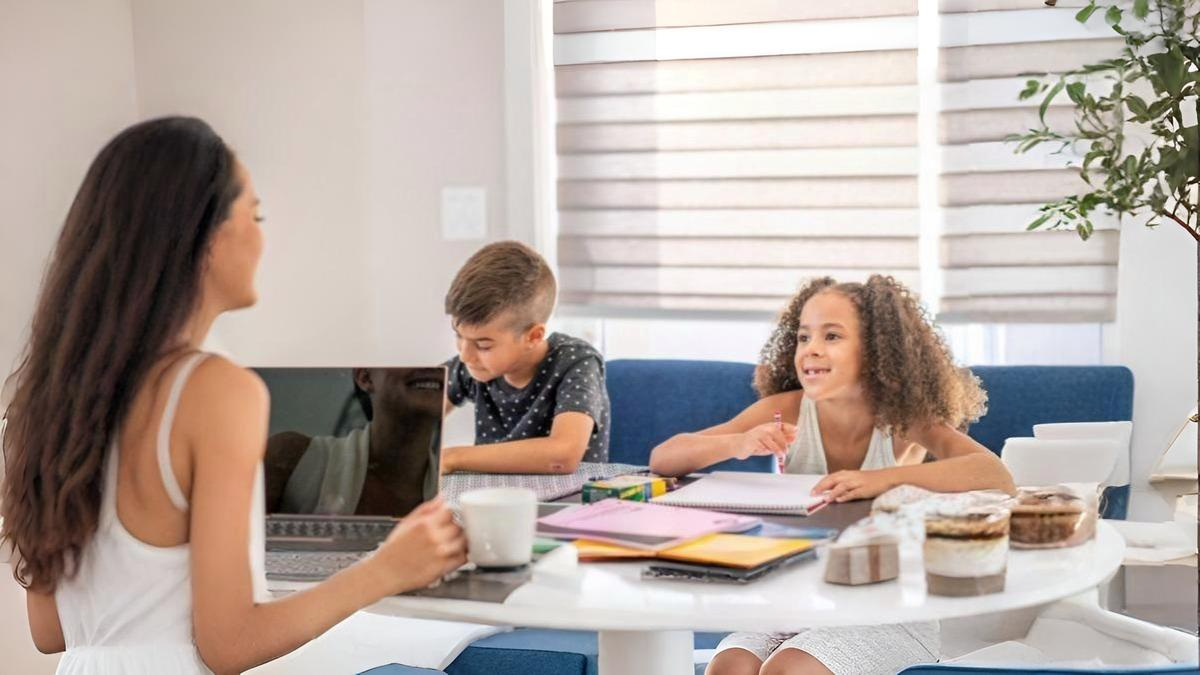
Screens are everywhere: from tablets and TVs to online learning platforms; and while they can be helpful tools, many homeschooling moms worry about how much screen time their kids are getting. Whether you’re a working homeschool mom trying to balance educational needs with real-life demands, or a stay-at-home mom who wants to enrich your child’s day without relying heavily on devices, this guide is for you.

In this article, we explore screen-free homeschool activities that truly keep kids engaged, spark curiosity, and support learning across younger age groups (elementary + toddlers). These activities require minimal prep, work beautifully for multi-age families with young children, and help kids develop real-world skills without becoming dependent on constant digital stimulation.

Throughout this guide, we’ll reference HomeLearning Hub, a trusted platform offering personalized homeschool coaching, curriculum planning, and learning support: especially useful for parents wanting to reduce screen time while maintaining a high-quality education.

Let’s dive into a world of creativity, hands-on learning, and joyful curiosity.

By the end, you’ll have a huge list of practical, realistic ideas to use any day of the week.

Table of Contents

This article contains affiliate links. If you purchase something I’ve recommended, I’ll earn a small commission at no extra cost to you. I really appreciate your support and I hope this guide helps you ♡

1. Why Screen-Free Learning Matters in Homeschooling

Screens themselves aren’t the enemy: they can be powerful educational tools. But when children rely on them too often, several challenges appear:

  • reduced attention span
  • difficulty engaging in slow-paced tasks
  • increased irritability
  • dependence on constant stimulation
  • less creativity
  • decreased physical movement

Experts at HomeLearning Hub note that screen-free activities build core skills like imagination, emotional regulation, problem-solving, and independent thinking all essential for strong homeschooling outcomes. Research shows that play and free, screen‑free activities contribute to children’s cognitive, emotional, and social development by strengthening focus, self‑regulation, and creative problem‑solving.

A balanced approach works best: tools when needed, hands-on learning as the foundation.

2. Indoor Screen-Free Homeschool Activities

These activities work well on hot days, rainy days, or quiet mornings when you need something meaningful but simple.

A.) Morning Basket Time

A gentle way to start the day, featuring:

  • read-alouds
  • poetry
  • picture books
  • art cards
  • nature study items

Morning baskets calm the brain and set a focused tone for young learners.

B.) Storytelling With Props

Use puppets, dolls, toy animals, or random household objects.
Let kids create:

  • characters
  • storylines
  • conflicts
  • solutions

This builds imagination far more than watching a show.

C.) Building Challenges (Blocks, LEGO, Magnatiles)

Give kids a task:

  • build a bridge
  • recreate a landmark
  • build the tallest tower
  • design a tiny world

These challenges foster engineering thinking, creativity, and persistence.

D.) Kitchen Science Experiments

Simple, no-screen science that gets kids excited:

  • baking soda + vinegar eruptions
  • ice melting races
  • making butter in a jar
  • density experiments with oil, water, and syrup

Science becomes naturally captivating when it’s hands-on.

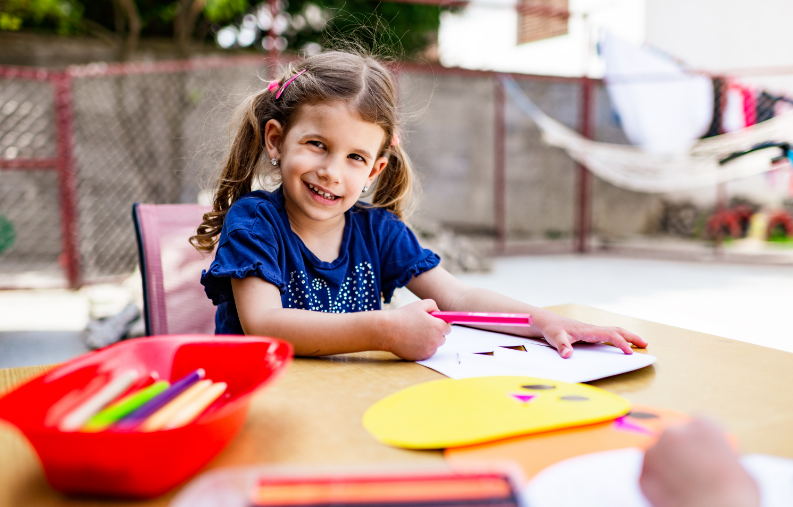
E.) Art Exploration Stations

Set up one table with:

  • markers
  • watercolors
  • collage materials
  • stencils
  • modeling clay
  • old magazines

Rotate materials weekly to keep it fresh.

F.) Puzzle + Brain Game Time

Jigsaw puzzles, word searches, crossword puzzles, tangrams, and logic games strengthen cognitive development without screens.
3. Outdoor Screen-Free Homeschool Activities

Children learn best through movement. Outdoor activities support sensory development, physical health, and emotional regulation.

A.) Nature Walk Journaling

Bring notebooks and pencils.
Ask kids to sketch:

  • plants
  • birds
  • insects
  • rocks

This builds observation skills and curiosity.

B.) Backyard Scavenger Hunts

Ideas include:

  • colors (find something red, something green…)
  • textures (smooth, rough, soft, prickly)
  • sounds (bird, wind, insects)

Scavenger hunts naturally engage curiosity.

C.) Outdoor Art

Ideas include:

  • sidewalk chalk murals
  • nature mandalas
  • leaf rubbings
  • clay sculptures

Outdoor art reduces mess and encourages creative freedom.

D.) Gardening & Plant Care

Kids learn responsibility and biology through:

  • planting herbs
  • watering flowers
  • composting
  • tracking plant growth

This becomes a living, ongoing homeschool project.

E.) Physics Play

Use every day play to explore physics concepts with:

  • bikes
  • balls
  • swings
  • ramps

Teach:

  • gravity
  • force
  • speed
  • motion
  • friction

Learning happens naturally through play.

4. Multi-Age Screen-Free Activities (Elementary + Toddlers)

These activities work perfectly when siblings learn together.

Family Read-Alouds

Younger kids: draw scenes
Older elementary kids: narrate back, write a simple summary

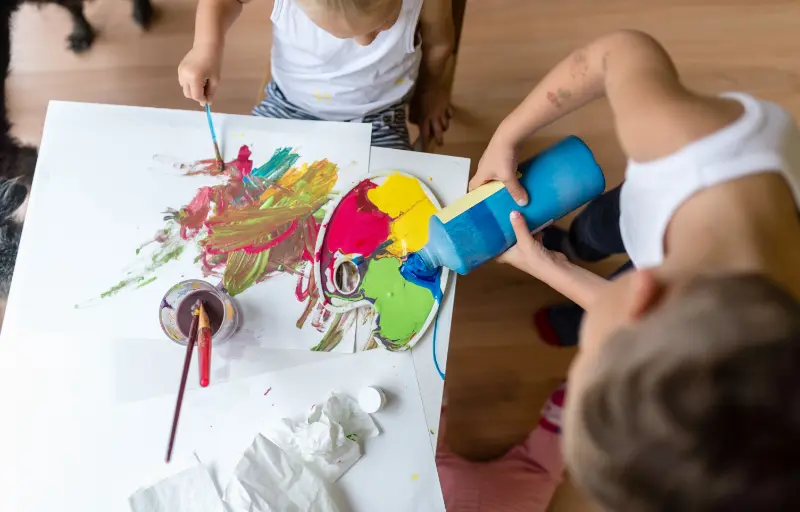
Group Art Time

Toddlers: finger paint
Young kids: watercolor or pencil drawing
Older kids: more detailed illustrations

One activity, multiple learning levels.

Nature Study as a Family

All ages can:

  • observe
  • sketch
  • classify
  • collect nature items

Use simple tools like magnifying glasses and nature trays.

Baking Projects

Toddlers: pour and stir
Elementary: measure and mix
Older elementary: follow recipe steps independently

Everyone enjoys the results.

Want a Personalized Screen-Free Plan?

If you want expert help designing a screen-light homeschool rhythm tailored to your children’s ages:

Book a Screen-Free Homeschool Consultation

Read: Homeschool Morning Routines That Actually Work 

Explore Our Hands-On Learning Templates

5. Sensory-Rich Screen-Free Activities (Perfect for Toddlers + Neurodivergent Kids)

Toddlers and children with learning differences often engage best when activities stimulate multiple senses.

Sensory Bins

Fill with:

  • rice
  • beans
  • kinetic sand
  • water beads
  • pasta
  • buttons (if age-appropriate)

Add scoops, cups, spoons, toy animals.

Water Play Stations

Bowls, cups, funnels, ladles, endless, calming fun.

Movement Games

  • obstacle courses
  • animal walks
  • yoga poses
  • tape balance beams

Great for burning energy before lessons.

Calming Corners

A cozy nook with:

  • pillows
  • soft lighting
  • quiet toys
  • books

This reduces overwhelm and supports emotional regulation.

For more support with sensory and learning differences, read:
Homeschooling Children With Learning Differences: Strategies & Resources

6. Skill-Building Projects (Elementary Ages Only)

Skill-building projects keep elementary learners engaged for long stretches, ideal for reducing screen reliance.

Ages 4–7

  • playdough challenges
  • simple crafts
  • early science experiments
  • nature sorting trays
  • sticker storybooks

Ages 8–11

  • lapbooks
  • STEM building kits
  • story writing
  • homemade board games
  • bird feeders
  • watercolor techniques

These projects teach independence and creativity while building foundational academic skills.

7. How to Reduce Screen Dependency Without Power Struggles

Screen reduction should feel calm and empowering, not restrictive.

A.) Replace before you remove

Introduce new activities before removing old habits.

B.) Keep screens off until after learning

Preserves morning focus.

C.) Use a family rhythm chart

Kids cooperate better when expectations are visual and predictable.

D.) Save screens for intentional use

Documentaries or learning apps purposeful, not passive.

E.) Rotate toys weekly

Reduces boredom and prevents overstimulation.

F.) Model healthy tech habits

Your habits matter more than your rules.

Conclusion

Screen-free homeschool activities give children a chance to develop creativity, focus, independence, and real-world skills all while keeping learning joyful and meaningful.

Whether you’re using:

  • nature play
  • art stations
  • kitchen science
  • sensory activities
  • outdoor exploration
  • or multi-age projects

Screen-free homeschooling becomes easier when you build routines that spark curiosity and support natural learning.

With a little intention, gentle rhythms, and plenty of hands-on opportunities, your home can become a rich learning environment without relying heavily on screens. And if you ever need personalized guidance tailored to your children’s ages and learning styles, HomeLearning Hub offers warm, expert support at every stage.

Ready to Build a Screen-Free Homeschool Routine?

Let’s help you create days filled with creativity, calm, and connection.

Book a Personalized Homeschool Coaching Session 
Read Blog: Homeschool Morning Routines That Actually Work 
Check Out Our Hands-On Homeschool Activities 


Facebook
Twitter
LinkedIn
Pinterest

Leave a Reply

Your email address will not be published. Required fields are marked *

ABOUT AUTHOR
Immaculate Newsted

Author, storyteller, and creator of this space — sharing tools, guidance, and inspiration to help women grow with clarity and confidence.

ADVERTISEMENT

Get fresh updates
about my life in your inbox